
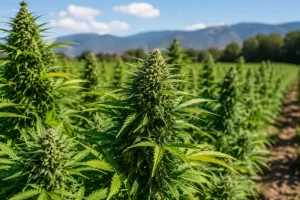
For decades, cannabis cultivation was seen as something complex, technical, and often intimidating for beginners. Growers needed to understand lighting schedules, seasonal timing, environmental control, nutrient management, and the delicate balance required to push photoperiod plants into flowering. Then autoflowering cannabis arrived and quietly changed the entire landscape of home growing forever.
Today, autoflowering genetics are no longer a niche category reserved for experimental growers. They have become one of the driving forces behind modern cannabis cultivation worldwide. From small urban balconies in Europe to indoor grow tents in North America, autoflower strains opened the door for a completely new generation of cultivators who wanted speed, simplicity, and reliable results.
The original breakthrough came from Cannabis ruderalis genetics. Unlike traditional photoperiod cannabis varieties, ruderalis evolved in regions with short summers and extreme daylight conditions. Instead of relying on seasonal light changes to trigger flowering, these plants developed the ability to flower automatically according to age. Breeders eventually crossed ruderalis with potent indica and sativa genetics, creating the first modern autoflowering strains.
How autoflowering cannabis works
At first, many experienced growers were skeptical. Early autoflower varieties often lacked the potency, flavor complexity, and production levels of traditional photoperiod strains. Yields were smaller, terpene profiles were simpler, and many growers considered them little more than novelty plants. But cannabis breeding evolved rapidly.
Modern autoflower genetics have transformed beyond recognition. Today’s premium autoflower cultivars can produce dense flowers, rich terpene profiles, and cannabinoid levels that rival many elite photoperiod strains. This dramatic improvement changed how both beginners and experienced cultivators view cannabis growing.
One of the main reasons autoflowering cannabis became so popular is accessibility. Traditional photoperiod cultivation requires understanding light cycles. Indoor growers usually switch from 18 hours of light to 12 hours of light to initiate flowering. Mistakes in timing, light leaks, or stress can create major problems for inexperienced cultivators.
Why autoflowers made growing more accessible
Autoflowering plants simplify the process dramatically. Growers can maintain a consistent light schedule from seed to harvest, allowing beginners to focus on basic plant health instead of complex flowering management. This reduction in technical difficulty encouraged thousands of new growers to start cultivating cannabis at home.
Speed also played a massive role in the autoflower revolution. Many modern autoflower strains complete their full life cycle in as little as 8 to 11 weeks from germination. Compared to photoperiod plants that may require four to six months for a complete grow cycle, autoflowers offer significantly faster harvests.
This speed changed cultivation strategies entirely. Outdoor growers in colder climates suddenly had access to reliable harvests before autumn humidity and mold season arrived. Indoor cultivators could run multiple harvests per year with far greater efficiency. Commercial hobby growers appreciated the faster turnaround, while casual home growers enjoyed seeing results quickly.
How breeding improved modern autoflower genetics
Discretion became another important factor. Autoflowering plants are generally smaller and more compact than traditional photoperiod cultivars. This makes them ideal for urban environments, balconies, terraces, and discreet indoor spaces. For many people living in apartments or densely populated areas, autoflowers made cannabis cultivation realistically manageable for the first time.
Smaller size does not necessarily mean poor production. Advances in breeding allowed many autoflower strains to produce surprisingly heavy harvests relative to their compact structure. Combined with modern LED lighting technology, growers can now achieve impressive yields in extremely limited spaces.
Another major advantage is seasonal flexibility. Traditional outdoor cannabis cultivation usually depends on a single yearly harvest window. Autoflowering strains changed that dynamic by allowing multiple outdoor harvests during one season. In warmer climates, growers can sometimes complete several cycles between spring and autumn.
Why speed and size changed home cultivation
This flexibility made autoflowers attractive even for experienced cultivators who already understood traditional growing methods. Instead of replacing photoperiod plants entirely, autoflowers became an additional tool in the modern grower’s arsenal.
The rise of social media and online grow communities accelerated the popularity of autoflower genetics even further. New growers could share progress photos, cultivation techniques, and strain reviews with global audiences. Successful small-space harvests inspired more beginners to try growing themselves.
Many seedbanks also invested heavily in refining autoflower genetics during the last decade. Stable terpene expression, increased resin production, and stronger cannabinoid content became priorities. As breeding quality improved, autoflowers gradually lost their old reputation as “beginner-only” plants.
How autoflowers fit into modern grow strategies
Today, many experienced growers actively choose autoflower strains because of their efficiency and adaptability. Some cultivators even specialize entirely in fast-cycle autoflower gardens designed for continuous production.
Environmental efficiency also contributed to the autoflower boom. Faster flowering cycles can reduce overall energy consumption indoors. Smaller plants may require less water, fewer nutrients, and less environmental control compared to large photoperiod gardens. While cultivation always carries environmental considerations, many home growers appreciate the relative efficiency of compact autoflower systems.
The legalization movement in various countries further accelerated interest in home cultivation. As regulations evolved, many people became curious about growing cannabis personally instead of relying entirely on retail purchases. Autoflower strains provided an approachable entry point for these first-time growers.
Modern breeding companies continue pushing autoflower genetics forward. Today’s market includes everything from dessert-inspired terpene profiles to highly resinous cultivars aimed at extraction enthusiasts. The diversity available to growers is far beyond what existed even five or six years ago.
Growers interested in exploring modern autoflower genetics often research specialized collections available through https://www.ministryofcannabis.com/autoflowering-seeds/.
Scientific information about cannabis botany, cultivation methods, and plant development can also be explored through resources published by the National Center for Biotechnology Information, one of the world’s leading scientific databases.
Autoflowering cannabis did not simply create a new category of seeds. It fundamentally changed how people interact with cannabis cultivation itself. What was once seen as highly technical and difficult became accessible, flexible, and achievable for ordinary enthusiasts worldwide.
Whether grown indoors under LEDs, outdoors on a balcony, or inside a compact tent in a city apartment, autoflowering cannabis transformed cultivation from a specialized niche into a mainstream hobby embraced by millions of growers around the globe.
What This Article Covers
- Autoflowering cannabis flowers by age, not by light cycle, making it simpler to grow indoors and outdoors.
- Modern autoflower genetics now offer stronger potency, richer terpene profiles, and better yields than early versions.
- Fast life cycles and compact size made autoflowers ideal for small spaces, urban grows, and shorter outdoor seasons.
- Autoflowers can reduce growing complexity and may improve efficiency by shortening the overall cultivation timeline.
Frequently Asked Questions
What makes autoflowering cannabis different from photoperiod cannabis?
Autoflowers begin flowering automatically as they age, while photoperiod plants need a change in light schedule to flower.
Why did autoflowers become popular with home growers?
They simplified the grow process, matured faster, and worked well in small or discreet spaces.
Are modern autoflowers better than early autoflower strains?
Yes. Breeding improvements have significantly increased potency, terpene quality, resin production, and yield potential.
How long do autoflowering cannabis plants usually take to finish?
Many modern autoflowers can complete their life cycle in about 8 to 11 weeks from germination, though timing varies by strain and conditions.
Can experienced growers benefit from autoflowers too?
Yes. Many experienced growers use autoflowers for fast harvests, space efficiency, and flexible production planning.